
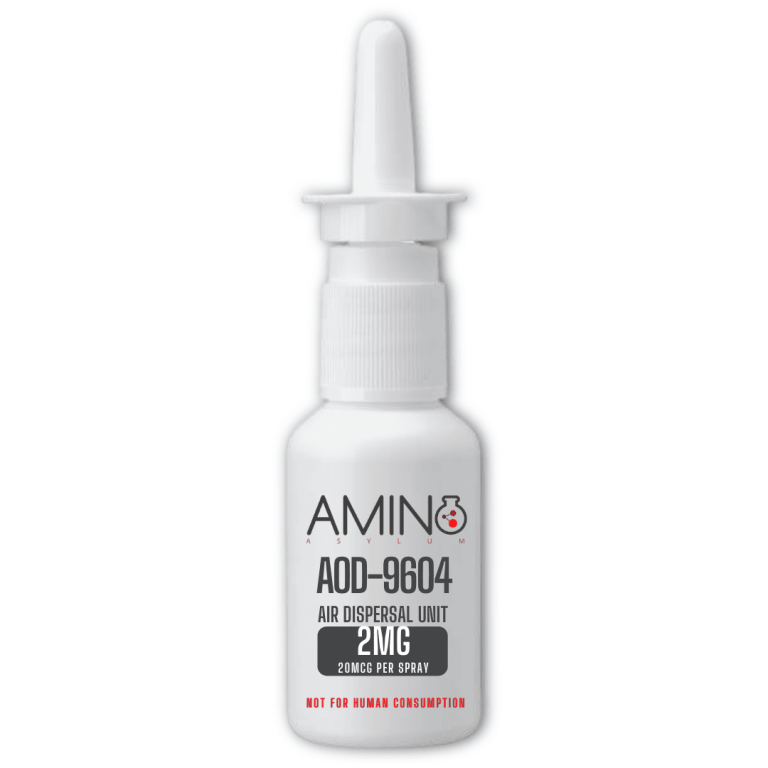
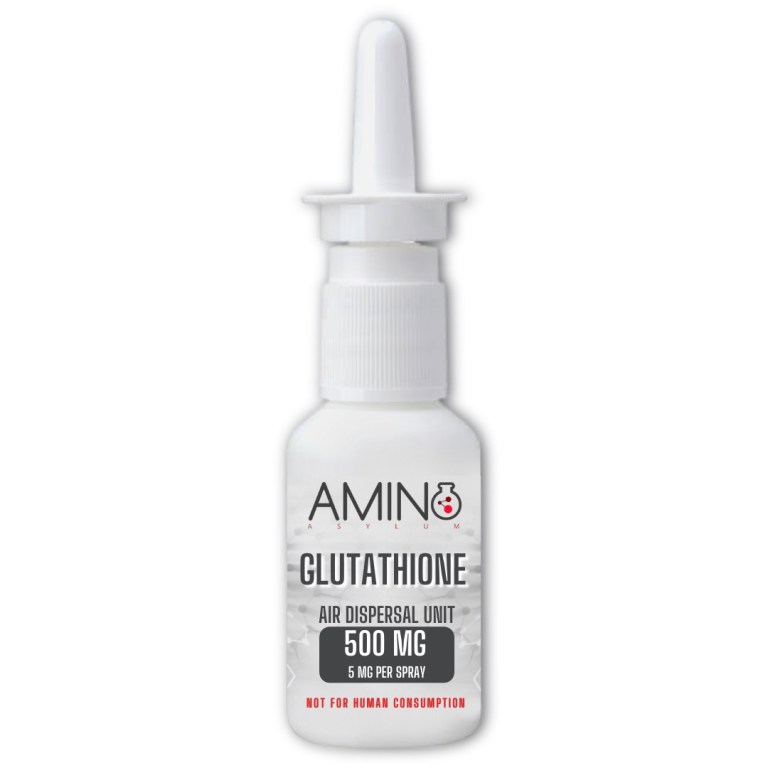
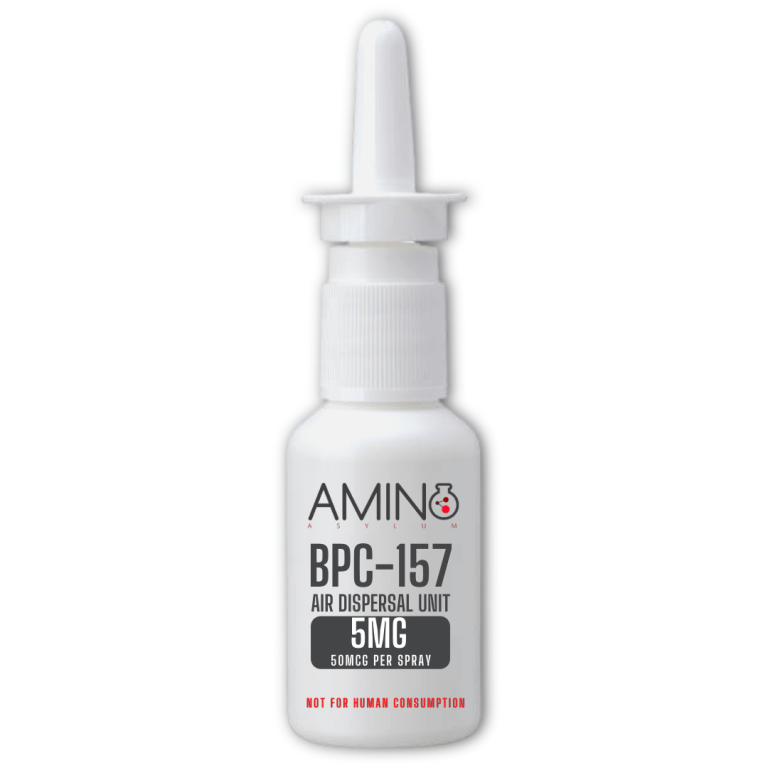
BPC-157 Spray
$44.99
A convenient BPC-157 peptide formulation for controlled research involving tissue recovery, connective tissue, cellular repair, and recovery pathways.
Description
BPC-157 Spray: Advanced Regenerative Peptide Research & Intranasal Guide
In regenerative medicine, cellular biology, and connective tissue research, Body Protection Compound-157 ($\text{BPC-157}$) represents one of the most widely investigated pentadecapeptides. Recognized for its pronounced cytoprotective properties, angiogenic signaling capabilities, and accelerated soft tissue healing mechanisms, this synthetic peptide is an essential tool in modern preclinical models.
While historical investigations relied on localized subcutaneous injections or oral administration, modern protocols frequently utilize BPC-157 Spray. For research teams looking to BUY BPC-157 Spray for empirical testing, non-invasive intranasal formulations provide a direct route to evaluate systemic tissue repair, gut-brain axis crosstalk, and central nervous system ($\text{CNS}$) neuroprotection with precise pharmacokinetic consistency.
What is BPC-157 Spray (Body Protection Compound-157)?
$\text{BPC-157}$ is a 15-amino acid sequence derived from a naturally occurring cytoprotective protein found in human gastric juice. Its primary structural sequence—Gly-Glu-Pro-Pro-Pro-Gly-Lys-Pro-Ala-Asp-Asp-Ala-Gly-Leu-Val—is engineered to maintain high biological stability even under extreme physiological conditions, such as high enzymatic environments or variable pH levels.
While subcutaneous protocols are effective for localized musculoskeletal assays, BPC-157 NASAL Spray enables trans-mucosal migration across vascularized nasal turbinates. This administration route delivers micro-metered liquid droplets directly into systemic circulation and central neural pathways via olfactory and trigeminal nerve networks.
                      [ Intranasal BPC-157 Spray ]
                                   │
               (Trans-Mucosal Migration / Nasal Epithelium)
                                   │
        ┌──────────────────────────┴──────────────────────────┐
        ▼                                                     ▼
[ Olfactory / Trigeminal Pathway ]                   [ Systemic Micro-Capillaries ]
        │                                                     │
        ▼                                                     ▼
[ Direct CNS Access / Hypothalamus ]               [ Peripheral Connective Tissues ]
        │                                                     │
        └──────────────────────────┬──────────────────────────┘
                                   ▼
             [ VEGFR2 Activation & Tissue Cytoprotection ]
Molecular Chemistry: Gastric Pentadecapeptide Structure
The stability and bioactivity of $\text{BPC-157}$ are tied to its specific sequence architecture:
-
Proteolytic Resistance: Unlike standard linear peptides that degrade within minutes in serum, $\text{BPC-157}$ lacks vulnerable terminal enzymatic cleavage points, allowing it to remain intact in biological matrices without requiring structural capping.
-
Solubility & Transport: Its molecular weight of $1419.56 \text{ g/mol}$ and balanced hydrophilic profile allow efficient passage across mucosal epithelial barriers when delivered in a buffered spray vehicle.
Chemical Specifications Reference:
• Sequence: Gly-Glu-Pro-Pro-Pro-Gly-Lys-Pro-Ala-Asp-Asp-Ala-Gly-Leu-Val
• Molecular Formula: C62H98N16O22
• Molecular Weight: 1419.56 g/mol
• CAS Number: 137525-51-0
• Physical State: Clear, aqueous buffered intranasal solution
• Storage Parameters: Refrigerated (2°C - 8°C), sheltered from UV light
Comparing Subcutaneous/Oral Delivery vs. BPC-157 NASAL Spray
| Parameter | Subcutaneous Injection | Oral Gavage / Capsules | BPC-157 NASAL Spray |
| Administration Route | Invasive Parenteral | Non-Invasive Enteral | Non-Invasive Trans-Mucosal |
| First-Pass Hepatic Bypass | Yes | No (Hepatic Clearance) | Yes |
| Central CNS Migration | Moderate (Crosses BBB slowly) | Low | High (Direct Olfactory Access) |
| Dosing Precision | High | Variable (GI Transit Time) | High (Metered Actuations) |
| Subject Compliance in Trials | Lower (Needle Stress) | High | High (Simple Atomized Delivery) |
Mucosal Permeability and Direct Central Neural Pathways
The cribriform plate provides a unique anatomical corridor. Utilizing BPC-157 NASAL Spray allows active peptide molecules to cross the olfactory mucosal lining, bypassing tight endothelial junctions of the blood-brain barrier ($\text{BBB}$) to reach central neural structures without systemic loss.
Systemic Stability and Resistance to Enzymatic Cleavage
Because $\text{BPC-157}$ is natively resistant to gastrointestinal and serum proteases, intranasally absorbed pentadecapeptides maintain structural integrity in plasma for extended periods, facilitating sustained systemic signaling across target tissue assays.
Biological Mechanisms of Action in Laboratory Models
                            [ BPC-157 Spray ]
                                    │
     ┌──────────────────────────────┼──────────────────────────────┐
     ▼                              ▼                              ▼
[ VEGFR2 Binding ]        [ FAK / Paxillin Cascade ]     [ NO System Crosstalk ]
     │                              │                              │
     ▼                              ▼                              ▼
[ Endothelial Sprouting ]  [ Tendon Fibroblast Migration ] [ Cytoprotection & Vascular ]
[ & Neovascularization ]   [ & Collagen Type I Synthesis ] [ Homeostasis Restoration ]
Angiogenesis Regulation and VEGFR2 Pathway Activation
A primary mechanism of action investigated in $\text{BPC-157}$ research is its ability to modulate angiogenesis—the formation of new blood vessels from existing vasculature:
-
Receptor Activation: $\text{BPC-157}$ promotes the phosphorylation and expression of Vascular Endothelial Growth Factor Receptor 2 ($\text{VEGFR2}$).
-
Endothelial Migration: It triggers the $\text{Src-Akt-eNOS}$ signaling pathway, accelerating endothelial cell proliferation and tube formation.
-
Context-Dependent Regulation: Unlike pathological angiogenic agents, $\text{BPC-157}$ upregulates vessel formation in ischemic or damaged tissue while returning to baseline levels once tissue structural integrity is restored.
Tendon, Ligament, and Soft Tissue Healing Dynamics
In orthopedic and musculoskeletal research models, $\text{BPC-157}$ accelerates the repair of transected or damaged tendons, ligaments, and muscle fibers:
-
Fibroblast Proliferation: Upregulates Focal Adhesion Kinase ($\text{FAK}$) and Paxillin pathways, driving fibroblast migration and structural attachment.
-
Collagen Synthesis: Increases the ratio of structural Collagen Type I relative to Collagen Type III, enhancing the tensile strength of repaired connective tissues.
Key Research Applications and Neuroprotective Horizons
Gut-Brain Axis Modulation and Cytoprotection
$\text{BPC-157}$ plays a major role in gut-brain axis research. It exhibits profound cytoprotective signaling across mucosal membranes, neutralizing inflammatory lesions, modulating nitric oxide ($\text{NO}$) synthases ($\text{eNOS}$ vs $\text{iNOS}$), and counteracting organ damage induced by NSAIDs or acute toxin exposure.
Central Nervous System Repair and Neuro-Inflammatory Defense
In preclinical models of neuro-trauma, stroke, and encephalopathy, central delivery of $\text{BPC-157}$ yields significant neuroprotective outcomes:
-
Neuro-Inflammation Downregulation: Suppresses pro-inflammatory cytokines such as Tumor Necrosis Factor-alpha ($\text{TNF}-\alpha$) and Interleukin-6 ($\text{IL-6}$).
-
Neurotransmitter Homeostasis: Modulates dopaminergic, serotonergic, and GABAergic signaling pathways during acute excitotoxic stress.
Comparative Analysis & Synergistic Research Stacks
Modern multi-pathway research frequently pairs tissue-regenerative pentadecapeptides with complementary antioxidants, metabolic coenzymes, and central neuropeptides.
                      [ Multi-Pathway Regenerative Stack ]
                                       │
     ┌─────────────────────────────────┼─────────────────────────────────┐
     ▼                                 ▼                                 ▼
[ Connective / Vascular ]     [ Redox & Cellular Energy ]      [ Cognitive / Neuropeptides ]
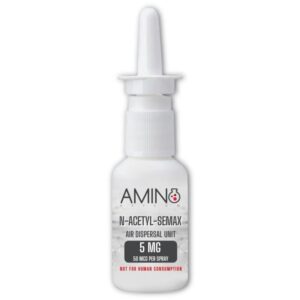
  • BPC-157 Spray               • glutathione spray              • N-Acetyl-Semax Spray
                                • NAD+ Spray                     • N-Acetyl-Selank Spray
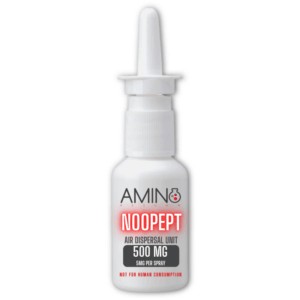
                                                                 • Buy Noopept
                                                                 • PT-141 Spray / MT-II Spray
Regenerative Protocols: Combining BPC-157 Spray with Glutathione Spray and NAD+ Spray
Oxidative stress and mitochondrial dysfunction severely impede cellular repair kinetics. Co-administering tissue-protective peptides alongside master antioxidants and cellular bioenergetic catalysts creates an optimized repair matrix:
-
Antioxidant Defense: Combining pentadecapeptide signaling with glutathione spray neutralizes reactive oxygen species ($\text{ROS}$), preserving cellular membrane integrity during active tissue remodeling.
-
Mitochondrial Energetics: Integrating metabolic coenzymes such as NAD+ Spray provides the intracellular $\text{ATP}$ turnover necessary to support accelerated protein synthesis and $\text{VEGFR2}$-driven endothelial proliferation.
Multi-Pathway Protocols: Integrating Buy Noopept, PT-141 Spray, MT-II Spray, N-Acetyl-Semax Spray, and N-Acetyl-Selank Spray
Broad-spectrum neurological and autonomic research frameworks incorporate diverse compound classes to map overlapping physiological cascades:
-
Cognitive Modulation & Neuroplasticity: Pairing regenerative peptides with central dipeptides—such as when research laboratories choose to Buy Noopept—allows for simultaneous monitoring of $\text{AMPA}$ receptor sensitization and neuro-vascular repair.
-
Melanocortin Receptor Signaling: Evaluating central neuroendocrine pathways alongside systemic tissue repair is streamlined by incorporating targeted agonists like PT-141 Spray or broader non-selective analogs like MT-II Spray.
-
Neuropeptides & Stress Adaptation: Combining $\text{BPC-157}$ with central neuropeptides such as N-Acetyl-Semax Spray and anxiolytic modulators like N-Acetyl-Selank Spray enables researchers to evaluate $\text{BDNF/NGF}$ upregulation and GABAergic balance during systemic tissue recovery.
Sourcing Premium Research Compounds to BUY BPC-157 Spray Online
When preparing to BUY BPC-157 Spray for scientific trials, securing reference standards with verified purity and precise concentration is vital to ensuring experimental validity.
Certificates of Analysis (COA) & High-Performance Liquid Chromatography (HPLC)
Analytical verification ensures that peptide reagents are free from synthesis artifacts, truncated sequences, or heavy metal contamination. Key documentation parameters include:
-
High-Performance Liquid Chromatography (HPLC): Confirms structural sequence purity ($\ge 98\%$).
-
Mass Spectrometry (MS): Validates the exact molecular mass ($1419.56 \text{ g/mol}$).
Vendor Standard: Scientific teams sourcing from amino asylum receive high-purity, third-party tested reference materials shipped in optimized intranasal delivery vehicles to maintain maximum stability.
Why Scientific Laboratories Rely on Amino Asylum for Reference Standards
At Amino Asylum, peptide synthesis and formulation strictly follow quality control protocols. Pre-formulated intranasal spray products are prepared in sterile, osmotic-balanced buffered matrices to protect molecular integrity and guarantee calibrated volumetric output per actuation.
Frequently Asked Questions (FAQ)
What Is the Difference Between Oral BPC-157 Formulations and BPC-157 NASAL Spray?
While oral formulations target the gastrointestinal tract, BPC-157 NASAL Spray achieves direct trans-mucosal absorption into systemic circulation and crosses olfactory neural pathways to provide enhanced central nervous system availability.
How Should BPC-157 Spray Solutions Be Stored to Maintain Compound Integrity?
Refrigerate spray containers between $2^\circ\text{C}$ and $8^\circ\text{C}$. Keep bottles upright, tightly sealed, and protected from direct sunlight or UV exposure to prevent hydrolytic degradation.
What Is the Standard Concentration in Metered BPC-157 Spray Actuations?
Standard laboratory sprayers dispense precise micro-metered volumes (e.g., $100 \text{ \mu L}$ per pump actuation delivering a calibrated microgram concentration of active pentadecapeptide).
Final Verdict: Where to BUY BPC-157 Spray for Research
Investigating tissue regeneration, angiogenic pathways, and central neuroprotective signaling demands pure, analytical-grade reagents. Utilizing BPC-157 Spray provides an efficient, non-invasive methodology for delivering intact pentadecapeptide sequences across vascularized mucosal barriers in laboratory models.
When deciding where to BUY BPC-157 Spray or evaluating BPC-157 NASAL Spray for upcoming trials, amino asylum stands out as a trusted vendor of verified research chemicals. Equip your laboratory with premium reference materials to ensure accurate, repeatable, and clean empirical results.
Related products
-
- SPRAYS
NAD+ Spray
- Log in to view price and purchase
-
- SPRAYS
Buy Noopept
- Log in to view price and purchase
-
- SPRAYS
N-Acetyl-Semax Spray
- Log in to view price and purchase
Reviews
There are no reviews yet.